Shime: the dish that ends the night at an izakaya
What shime means, when to order it, the classic rice and noodle dishes that close a night of drinking, hotpot shime, and why the night can end with ramen or a parfait somewhere else.
At an izakaya, people usually drink with small plates first and save the rice or noodles for the end. That last dish is called shime (〆), and it’s how many Japanese people close a night out. If you know this, you won’t be surprised that rice isn’t on the table all night — and you’ll know what to order when everyone starts slowing down.
What “shime” means
Shime comes from shimeru, “to close” or “to finish”. It’s the dish that wraps up the meal — usually something with rice or noodles, light and warm after a night of drinking.
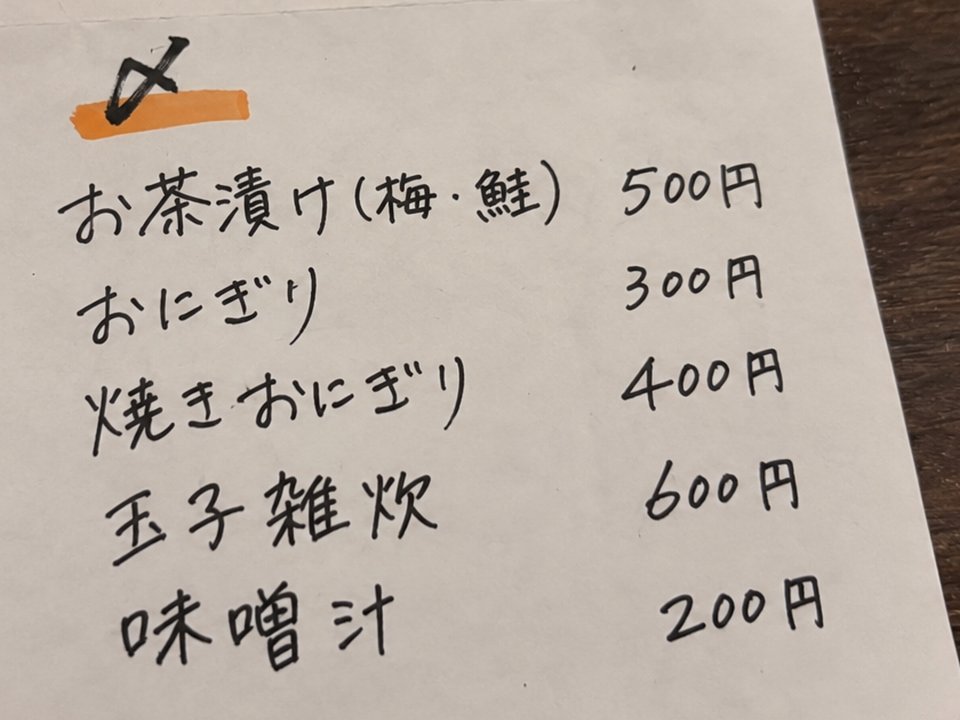
On menus you’ll often see a section headed 〆, 〆の一品 (shime no ippin, “a dish to finish”) or お食事 (o-shokuji, “meals”). That’s where the rice and noodles are.
When to order it
Order shime when the drinking is winding down. A natural moment is last order: one more round of drinks, and something to finish.
It’s a habit, not a rule. If you’re hungry, you can order rice at any time and nobody will mind. And if you’re already full, you can skip it — plenty of people end the night without one.
Classic shime at an izakaya
What’s on offer depends on the shop, but these are the ones you’ll see most:
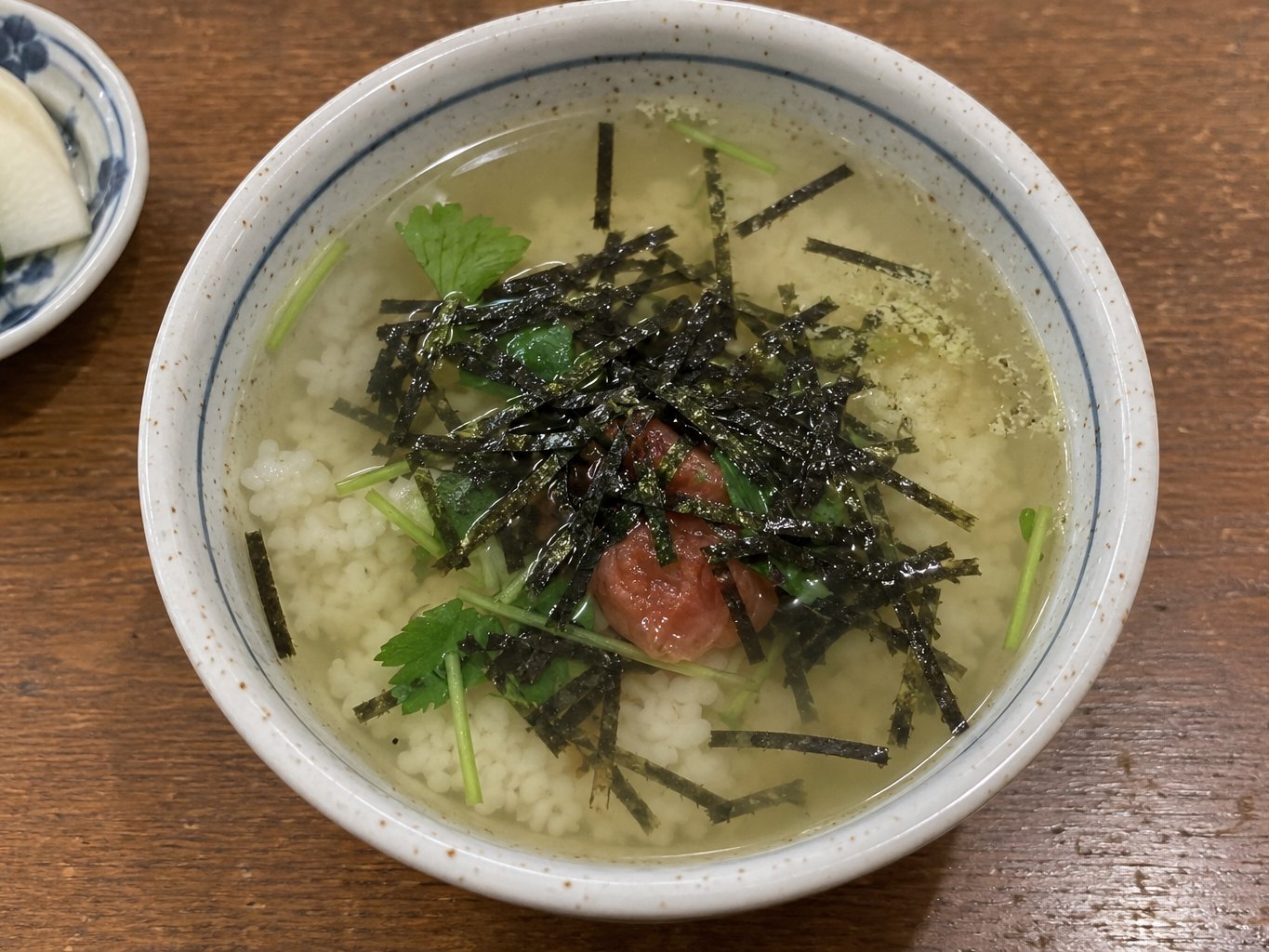
- Ochazuke (お茶漬け) — rice with hot green tea or dashi broth poured over, topped with pickled plum (ume), salmon, cod roe (mentaiko) or nori. Light, salty and comforting — the classic.
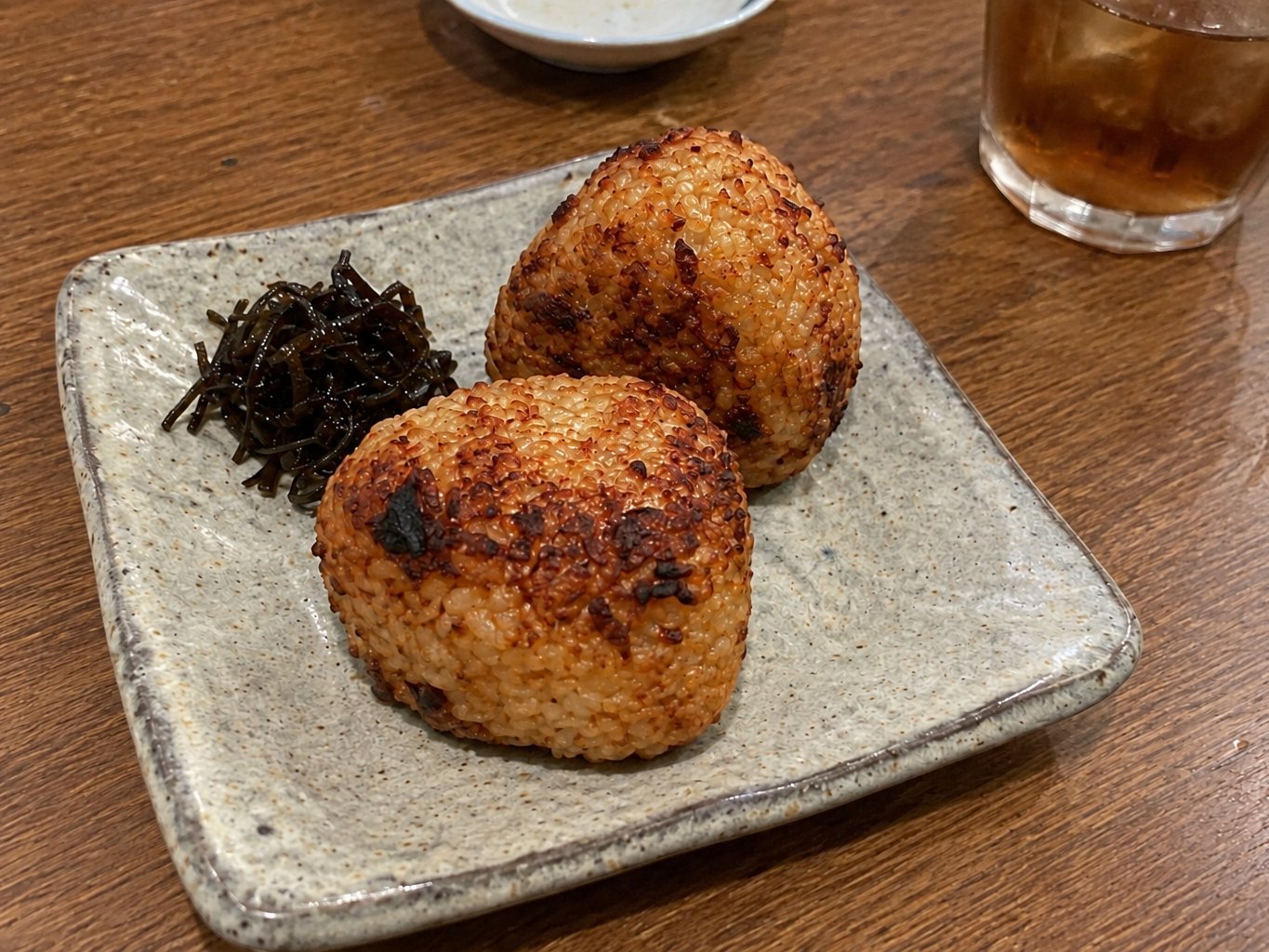
- Onigiri — rice balls, often ordered one at a time. Yaki onigiri are grilled and brushed with soy sauce or miso, crispy outside.
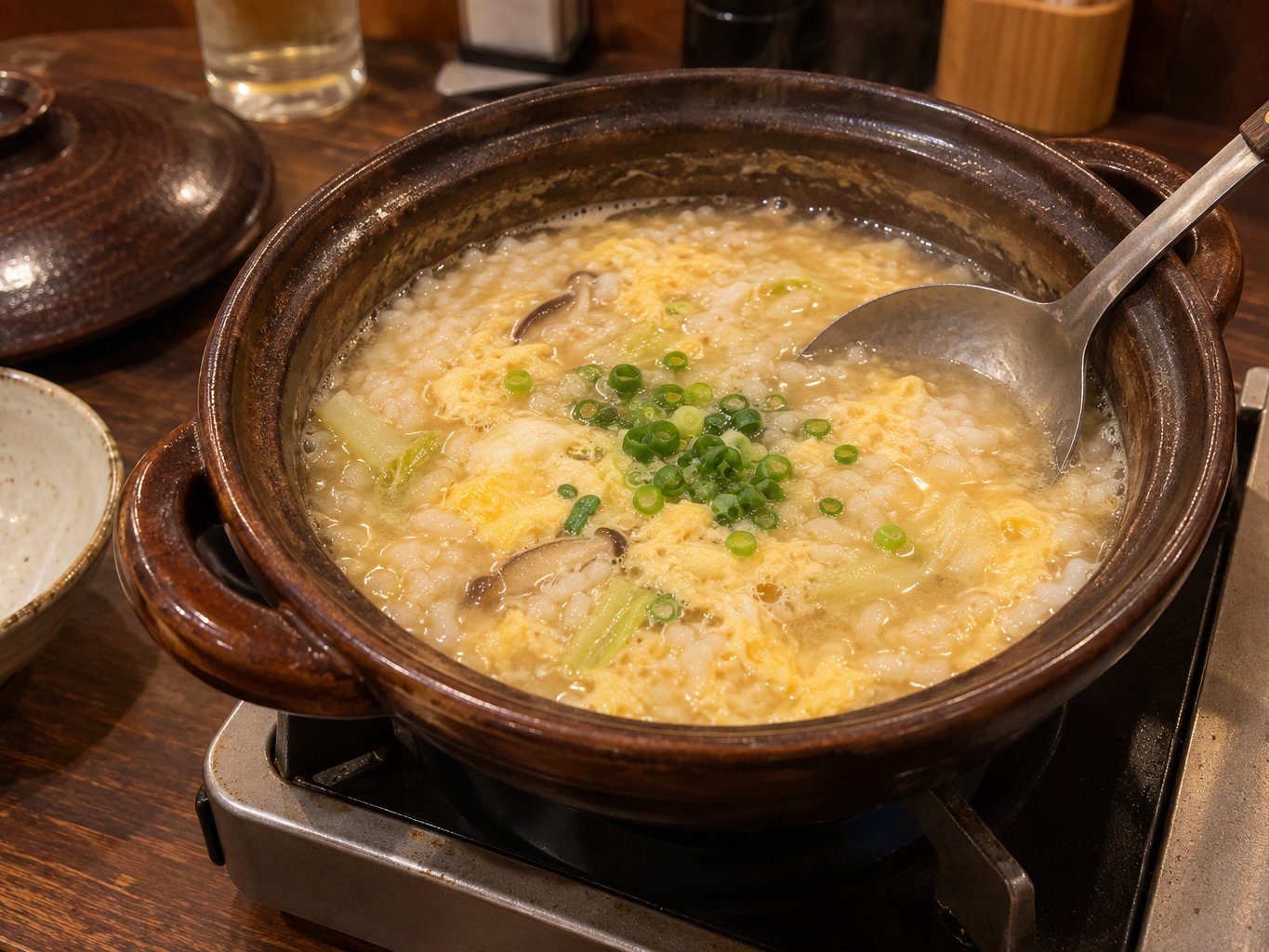
- Zōsui (雑炊) — rice simmered in broth with egg, like a light rice porridge. Ojiya is a softer version.
- Tamago kake gohan — a raw egg mixed into hot rice with soy sauce. Skip it if you’d rather not eat raw egg.
- Soboro meshi and kaisendon — rice topped with seasoned minced chicken, or with sashimi.
- Noodles — udon, soba or yakisoba (fried noodles), sometimes in a half size.
- Soup — miso soup, tori sui (clear chicken soup) or kasujiru (sake lees soup), on its own or with rice.
Portions are usually small, and it’s normal to order one or two and share them around the table.
Shime for hotpot
If you’ve had a hotpot (nabe), the shime is made in the same pot. The broth has picked up the flavour of everything cooked in it, so rice or noodles go into what’s left:
- Zōsui — rice added to the broth, then beaten egg stirred in at the end
- Udon or ramen noodles — simmered in the broth
Hotpot menus often list the shime choices next to the pot. Many shops will make it at your table or take the pot to the kitchen and bring it back finished — just ask.
Shime by type of shop
Each kind of izakaya tends to have its own shime, built from what it cooks best:
- Yakitori shops — chicken soup, minced chicken rice, or oyakodon (chicken and egg on rice)
- Seafood izakaya — a sashimi rice bowl, or tai-chazuke (sea bream ochazuke)
- Oden shops — chameshi, rice cooked with tea and soy sauce, eaten with the last of the oden
If you’re not sure, ask what they recommend. The shop’s own shime is often one of the best things on the menu.
After the izakaya: shime ramen and more
You don’t have to have your shime at the izakaya. Lots of people pay up, step outside, and finish the night somewhere else.
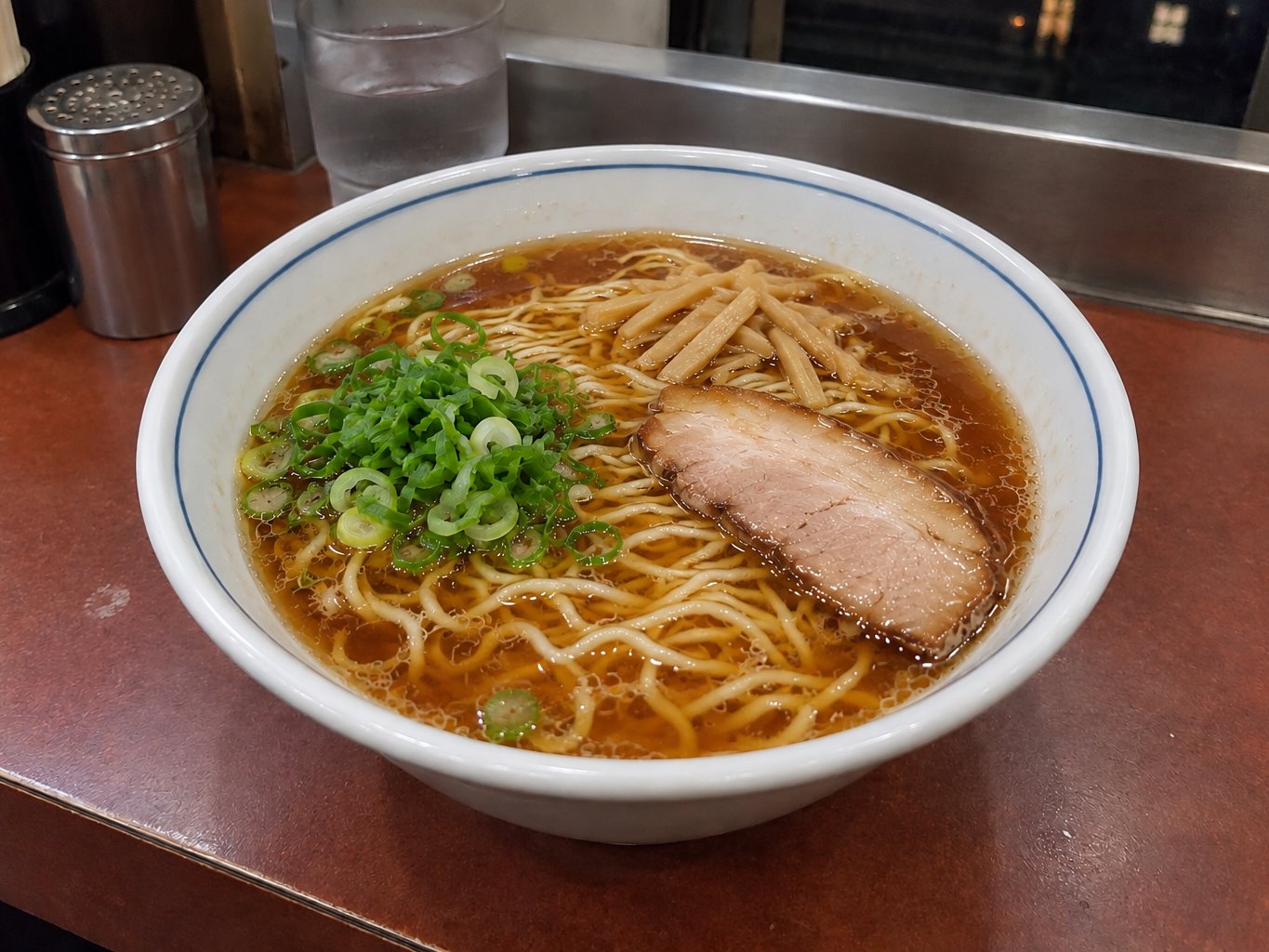
The best-known version is shime ramen (〆のラーメン): a bowl of ramen on the way home. Ramen shops near busy drinking areas often stay open late for exactly this crowd, and a hot, salty bowl after a few drinks is a very Japanese way to end the night.
In Sapporo there’s even a sweet version: the shime parfait (シメパフェ). Cafés and bars there serve tall, carefully built parfaits late into the night, and going for one after drinking has become a local custom. If you’re in Sapporo, it’s worth trying.
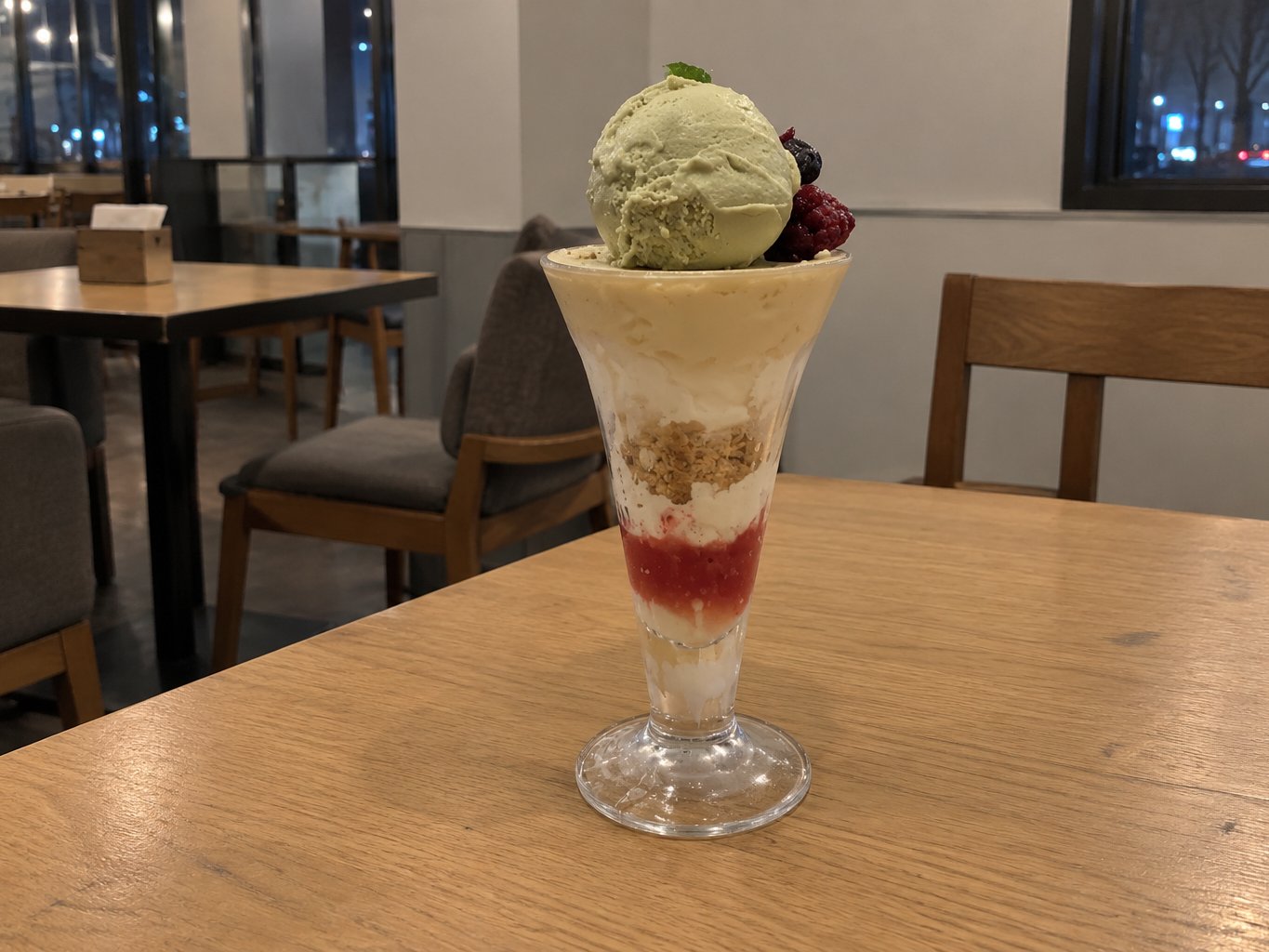
Wherever you end it, the idea is the same: something warm or sweet to say the night is over.
Related guides
- Last order at an izakaya: what it means and when it happensWhen staff say “rasuto ōdā”, you have one more chance to order. Here's when it comes and what to do.
- How an izakaya works: a first-timer's guide to the nightFrom your first drink to the bill — what happens at a Japanese izakaya, in order, so nothing catches you off guard.
- Izakaya phrases: Japanese to get you through the nightThe Japanese you'll actually use at an izakaya, from walking in to paying. Tap any phrase to show it to staff full screen.